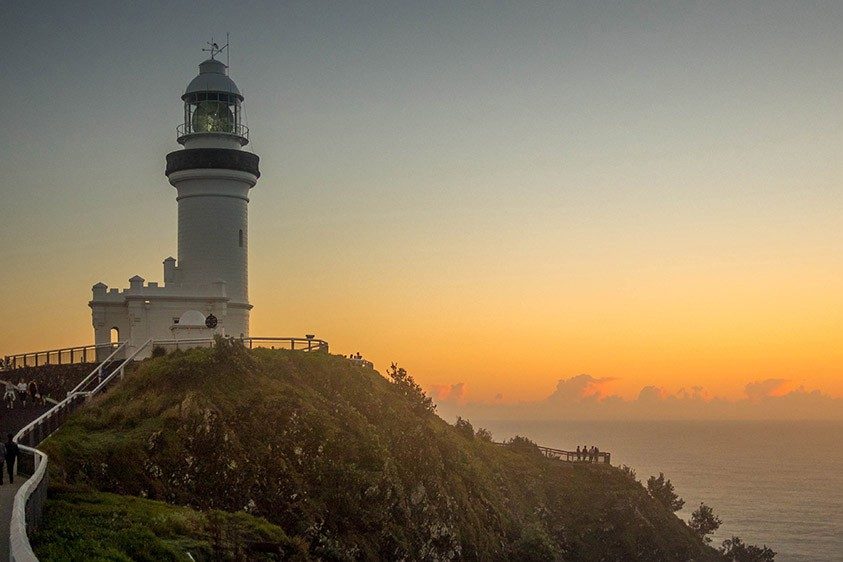
Cape Byron Lighthouse
Early morning hours
Position yourself on the eastern walkway for an elevated perspective of the coastline; use a 200mm lens to capture breaches.

Each year between May and November, humpback whales pass Cape Byron Headland during their 10,000-kilometre migration between Antarctic feeding grounds and tropical breeding waters. This guide covers the migration calendar, the clearest viewing windows each day, and the weather conditions that shape sighting success along Australia's easternmost point.
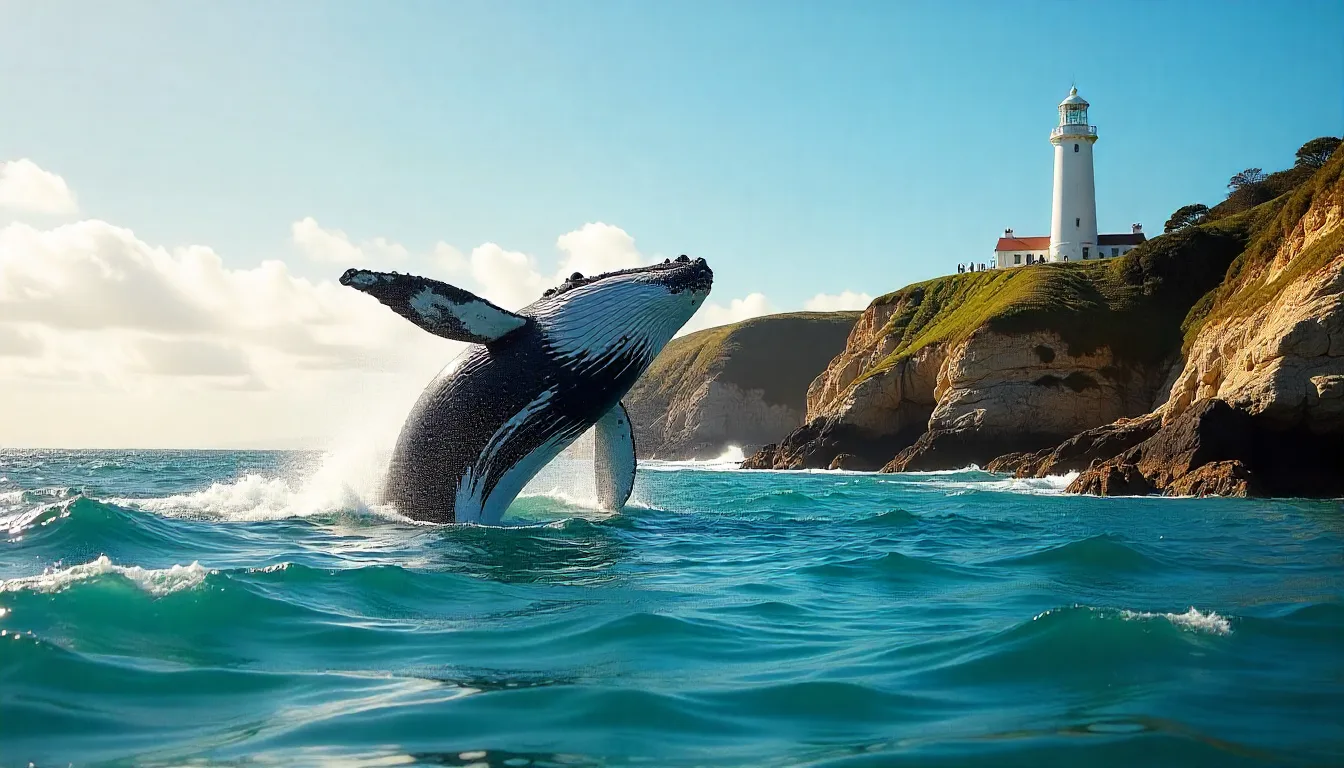
Quick answer
The byron bay whale watching season runs from May through November, with peak sightings occurring between June and October. Whales pass closest to shore during their northward migration in June and July, then again heading south with calves in September and October. Morning viewing between 7:00 AM and 10:00 AM offers calmer seas and better light angles for spotting breaches and blows from Cape Byron Headland, which provides free shore-based access throughout the migration window.
Cape Byron Headland records more than 15,000 humpback whale sightings during an average migration season, the highest concentration along the New South Wales coastline. The promontory's position 30 kilometres offshore from the continental shelf creates a natural corridor where whales travel within 500 metres of land, close enough to observe fluking, breaching, and nursing behaviour without magnification. The byron bay whale watching season follows two distinct pulses. Northbound whales pass between late May and early August, traveling at sustained speeds toward the Coral Sea with minimal surface activity. Southbound migration begins in late August and extends through November, characterised by slower movement, increased breaching, and the presence of newborn calves. Pod composition shifts across these phases: mature males and non-breeding females lead the northward journey, while mothers with calves form the tail end of the southern return, often lingering in sheltered bays when offshore winds drop below 15 knots. Weather patterns govern visibility more than whale density. Westerly winds flatten the ocean surface and push clearer offshore water toward the coast, extending sight lines beyond two kilometres. Easterly swells reduce surface clarity and obscure blows against whitecaps. Sea fog forms on 18 percent of winter mornings when warm Leeuwin Current water meets cold continental air, lifting by mid-morning as thermal gradients equalise. Cloud cover between 20 and 50 percent provides ideal contrast for spotting blows without the glare of unfiltered sun on open water. The Cape Byron lighthouse reserve opens at 7:00 AM daily, aligning with the statistical peak for whale activity within 1,000 metres of shore. Morning sea conditions remain calm before afternoon nor-easters develop, and low-angle sunlight from the east backlights blows and spray. Sightings taper after 3:00 PM as thermal wind patterns strengthen and whales move into deeper water beyond the 100-metre contour line. Migration timing varies by fewer than nine days year to year, making the whale watching calendar in Byron Bay one of the most predictable wildlife events along the eastern seaboard.
“Cape Byron records more than 15,000 humpback whale sightings during an average migration season, the highest concentration along the New South Wales coastline.”
The prime time for whale watching in Byron Bay is between June and October, aligning with the peak periods of the annual humpback migration. Timing your visit to the early morning hours ensures the highest visibility and the calmest sea conditions.
Cool, dry, 12°C to 21°C
This period marks the peak of the northbound migration when large numbers of humpbacks travel past the coastline, showing active surface behaviors. Heavier activity offshore brings consistent sightings daily.
Mild, sunny, 15°C to 25°C
During the southbound migration, mothers travel closer to the shore with their newborn calves. These slow-moving pairs offer prolonged, close-up viewing opportunities in calmer spring waters.
Variable, 13°C to 24°C
These shoulder months host the start and end of the migratory cycle. Sightings are less frequent, but visitors enjoy quiet viewing areas and occasional passing pods.
—
Arriving during the best arrival window of 07:00–10:00 provides calmer morning sea conditions and lower light levels, ensuring better visibility for spotting whales.
Verdict: For the highest sighting rates and the calmest sea conditions, visit on a Tuesday or Wednesday during the best arrival window of 07:00–10:00 in July or September.
Cape Byron Headland is open to the public daily from 07:00 to 18:00. Arriving between 07:00 and 10:00 provides the most favorable morning light and calmer sea conditions for spotting migrating whales.
Daily operating hours remain consistent year-round, though safety closures may occur during severe weather events.
While land-based whale watching at Cape Byron Headland costs 0 AUD, visitors must budget for vehicle parking fees and potential guided tour costs. Pedestrian access to the coastal walking tracks and lookout areas is entirely free.
Verdict: A typical visitor watching whales from the shore pays 0 AUD, with costs only changing if they choose to park a vehicle in the national park or purchase a ticket for a commercial boat tour.
Early morning hours
Position yourself on the eastern walkway for an elevated perspective of the coastline; use a 200mm lens to capture breaches.
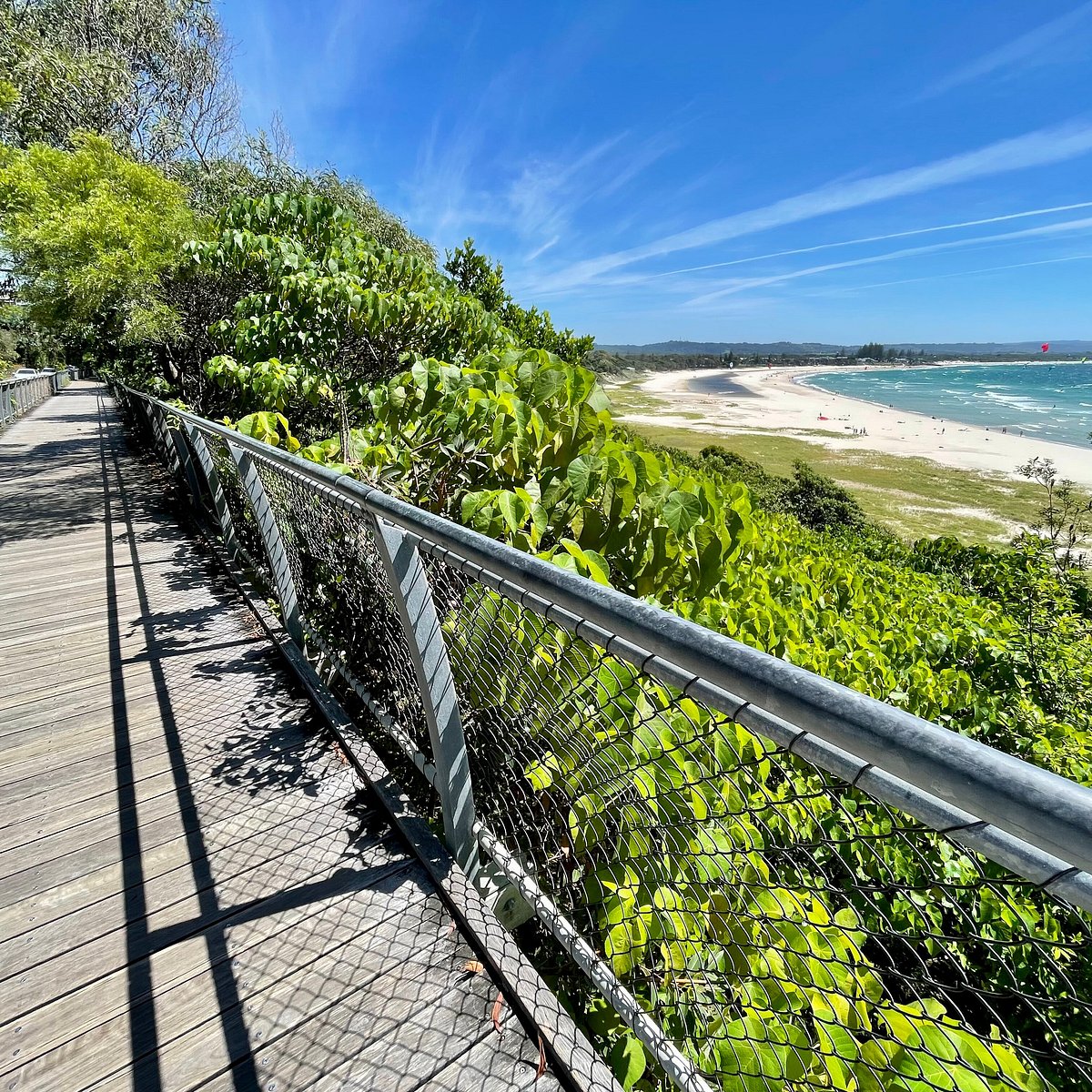
Early morning hours
Located on the Cape Byron walking track, this spot offers a direct view of the Pacific; a wide-angle lens captures the scale of the migration path.
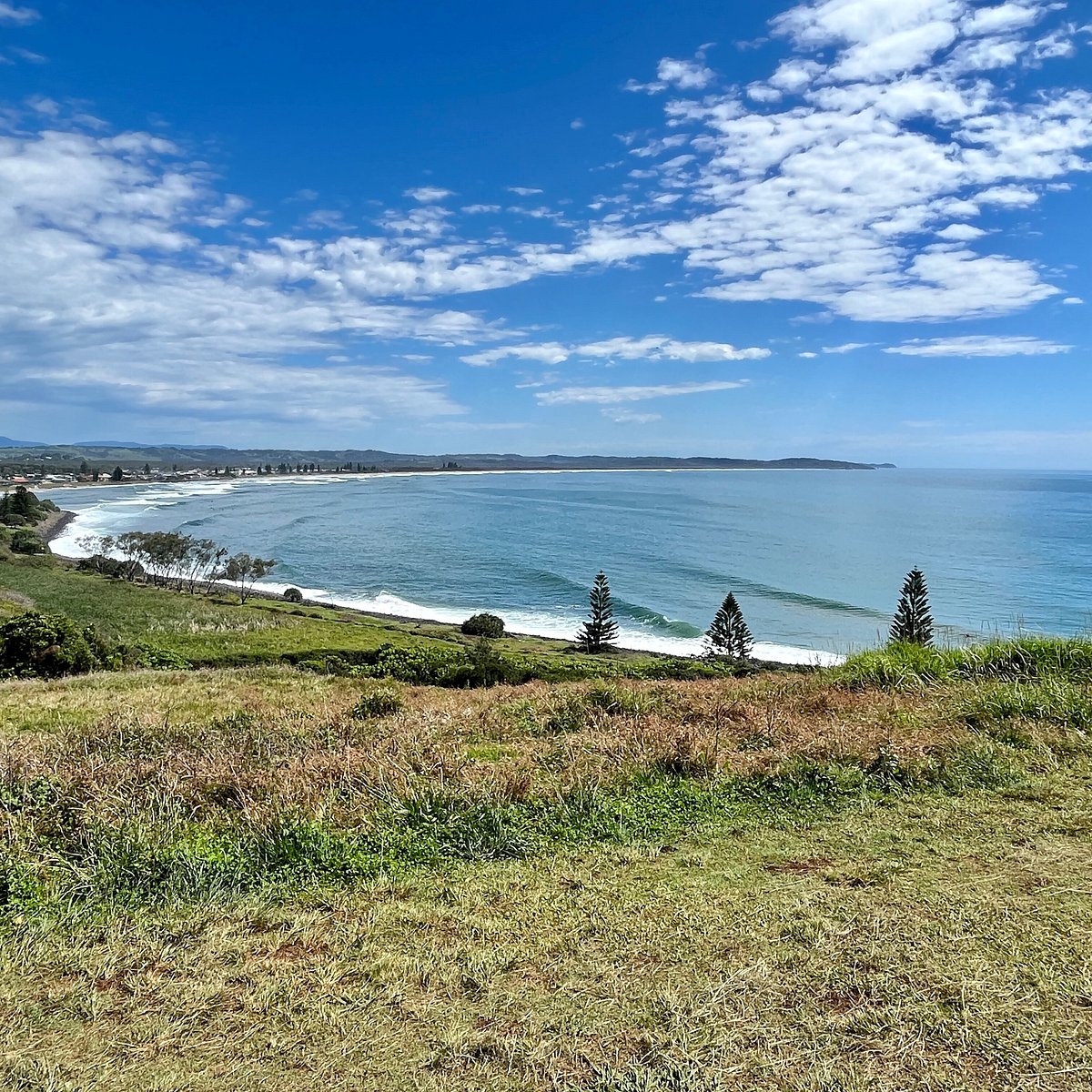
Early morning hours
Situated at Lennox Head, this vantage point provides a northern view towards Byron; long focal lengths help isolate whale activity.
Effective shore-based whale observation relies on understanding local maritime conditions and equipping yourself with specific optical and protective tools.
Check local reports for westerly winds, as these offshore breezes push surface water away from the coast to flatten the ocean swell. A calm sea surface significantly improves your ability to spot whale blows against the dark water.
Use binoculars with a magnification of 8x or 10x to identify whale activity that is invisible to the naked eye. Stabilizing your view by resting elbows on a railing helps track distant breaches more accurately.
Even during sunny days, the exposed environment at the headland experiences persistent coastal winds that cause rapid heat loss. A windproof shell allows you to remain stationary at your vantage point for longer observation periods.
Polarized sunglasses are essential for reducing glare off the water surface. This allows you to look deeper into the water column to see whales transitioning between surface intervals.
Scan for small ripples or white water splashes, which often indicate whale activity before a full breach occurs. Consistent, slow scanning from north to south helps maintain a structured observation routine.
Many visitors focus on the horizon during the southern migration, missing calves that swim within metres of the shore. Choppy conditions and poor timing also reduce sighting success.
Looking too far out during June–July southern migration
Mothers with calves hug the coastline closely during the southward journey. Scan the water within 100 metres of shore, especially early morning when the sea is calm.
Attempting to spot whales on windy, white-capped days
Wave chop breaks up the visual field and obscures blows and breaches. Check the forecast and visit on mornings with light winds below 15 km/h.
Arriving mid-afternoon when glare is strongest
Sun reflection off the water between 1 pm and 4 pm makes it difficult to distinguish whale spouts from whitecaps. Plan your visit for the 7 am to 10 am window when light angles are lower.
Staying in one spot for only a few minutes
Whales surface intermittently and may be submerged for several minutes between breaths. Spend at least 20–30 minutes scanning different sections of the horizon to increase your chances.
Expecting guaranteed sightings outside peak months
Migration intensity drops sharply before May and after November. If visiting in fringe months, set realistic expectations and consider multiple visits.
Humpback whales participate in one of the longest mammal migrations on Earth, traveling up to 10,000 kilometres between Antarctic feeding grounds and Australian breeding waters. Byron Bay serves as a critical bottleneck for this migration due to its location at the easternmost point of the Australian mainland.
Over 30,000 whales in the population
The Byron Bay bottleneck effect
Acrobatic surface behaviors defined
Feeding and fasting cycles
Unique tail fluke identification
Visitors exploring the coastline can extend their whale spotting efforts to several elevated vantage points located south of the main headland. These sites offer distinct perspectives along the migratory path.
15 min drive
This reserve features coastal tracks that provide elevated views over the Pacific Ocean, allowing for land-based observation away from the crowds of the main cape.
30 min drive
Located further south, this rocky outcrop offers a clear line of sight across the water, often catching whales that swim closer to the shoreline as they travel north.
25 min drive
Situated on the headland, this spot provides a high vantage point ideal for observing whale pods passing by during the migration season.
Everything you need to know about byron bay whale watching season
The main byron bay whale watching season takes place between May and November each year. During these months, thousands of humpback whales travel past the coast along their annual migration path.
Morning hours between 07:00 and 10:00 typically provide the calmest sea conditions and excellent light levels. Spotting activity is common throughout the day, but early starts offer the clearest visibility from the cliffs.
Shore-based viewing from the headland costs 0 AUD, as entry to the walking tracks is free. Visitors who wish to drive up to the Cape Byron Lighthouse may need to pay a national park vehicle parking fee.
Humpback whales make up the vast majority of sightings as they travel along the coast. On rare occasions, observers may also spot southern right whales or minke whales seeking shelter in the bay.
The Cape Byron Headland walking tracks and viewing areas are open from 07:00 to 18:00 daily. Accessing the coastal paths early in the morning is recommended for the best lighting conditions.
Strong winds and heavy swells can make spotting whales from land more difficult and may cause vessel tours to be postponed. Winter days generally bring clear skies and dry conditions, which are ideal for monitoring the ocean.
Water-based departures usually leave from nearby Brunswick Heads or local beaches, while land-based spotters should head to the Cape Byron Headland at Cape Byron Headland, Byron Bay, NSW 2481, Australia. Arriving between 07:00 and 10:00 is recommended to secure parking and enjoy calmer winds.
Binoculars and a camera with a telephoto lens are highly recommended for spotting blows and breaches from the cliffs. Warm layers are also useful, as sea breezes can become quite cool even on sunny days.
When is the Best Time for Whale Watching in Byron Bay
Read more Tickets & toursByron Bay Whale Watching Cruises
Read more Tickets & toursByron Bay Whale Watching Boat Tours
Read more Tickets & toursByron Bay Whale Watching Kayak Tours
Read more GuideWhale Watching Byron Bay Prices & Booking Options
Read more