
Cape Byron Lighthouse Lookout
Morning light before 10:00
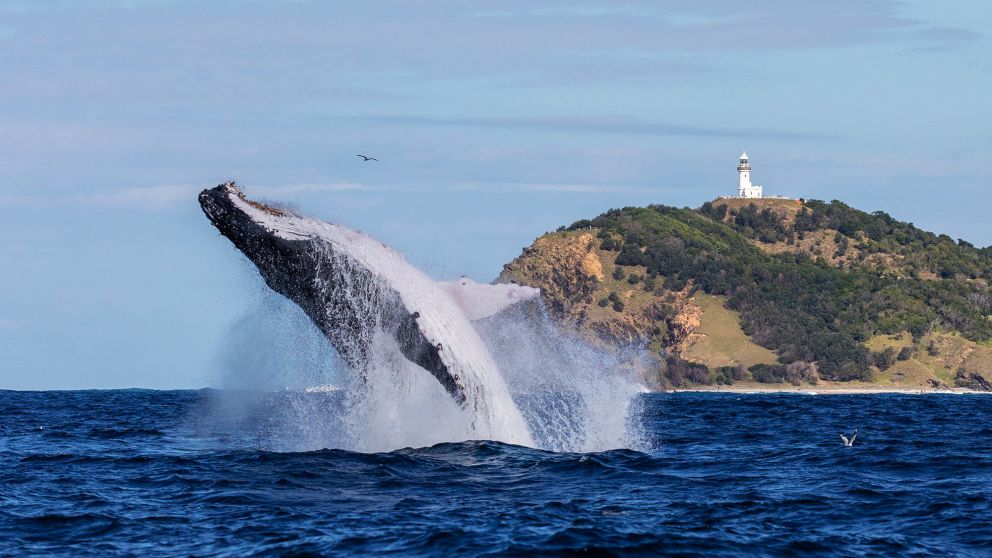
Position your camera on the eastern deck to capture migrating whales alongside the historic white tower. Access is via a paved walkway from the main parking lot.

Byron Bay sits on the migratory highway of the humpback whale, and the headland at Cape Byron offers one of the closest land-based vantage points on Australia's east coast. Between June and November each year, more than 35,000 whales pass within sight of the lighthouse. The question is not whether you will see them, but when the conditions align for the clearest view and the most active behaviour.
Quick answer
Whale watching Byron Bay best time runs from June through November, with peak activity in July and late September through October. Humpback whales migrate north from June to August, then return south with newborn calves from September to November. Early mornings between 8:00 and 10:00 offer the calmest sea conditions and best visibility from elevated headlands like Cape Byron, where the migration corridor passes within two kilometres of shore.
Humpback whales travel one of the longest migratory routes of any mammal on Earth, and the eastern Australian coastline funnels the entire population past a handful of coastal landmarks. Cape Byron is one of them. The headland's position as the easternmost point of the Australian mainland places it directly in the path of whales moving between Antarctic feeding grounds and subtropical breeding waters near the Great Barrier Reef. What makes the whale watching Byron Bay best time distinct from other stretches of coast is the combination of proximity, elevation, and the dual migration window. The northward migration between June and August sees whales moving with purpose, travelling in smaller pods and covering distance. July typically records the highest daily counts as the bulk of the population passes through. The southward return from September to November is slower and more visually rewarding. Mothers with calves hug the coastline for protection, and juveniles engage in breaching, tail slaps, and pectoral fin displays. Late September and October are considered the optimal window for observing surface behaviour, particularly from the lighthouse walking track and the grassed viewing platforms at Cape Byron. Morning conditions between 8:00 and 10:00 provide the clearest window. Afternoon sea breezes can obscure whale blows and make it harder to track movement across the water. The Cape Byron headland rises 94 metres above sea level, and the elevated perspective allows spotters to see blows from several kilometres out. Binoculars are useful but not essential. On calm days, breaches are visible to the naked eye from the clifftop railings. The Julian Rocks Marine Reserve, located three kilometres offshore, is a known resting point during the migration, and whales are frequently sighted near the rock formations during the peak months. Whale watching Byron Bay best time guide recommendations align with the migration calendar, but weather plays a determining role. Overcast skies with low wind produce better visibility than bright sun with chop on the water. Rangers and local spotters report that the highest concentration of sightings occurs within two hours of sunrise, when the sea is glassy and whale blows stand out against the horizon. The Cape Byron lighthouse opens at 8:00, and arriving at that hour positions you at the viewing platform during the most reliable window for humpback activity.
“The southward return from September to November is slower and more visually rewarding, with mothers and calves hugging the coastline for protection.”
The optimal period for land-based whale watching in Byron Bay is between June and October, particularly during the calm morning conditions of the 08:00–10:00 arrival window. Watching during these hours from Cape Byron Headland maximizes the chances of spotting migrating humpback whales as they travel along the coast.
Dry, cool days, 9°C to 19°C
Humpback whales travel north to warm breeding grounds. Energetic breaching, tail-slapping, and spy-hopping behaviors are frequently seen closer to the headland during this winter phase.
Mild, dry spring, 13°C to 25°C
Humpback mothers return south to feeding grounds with newborn calves. They swim slower and closer to the shoreline, offering frequent opportunities for extended observation from cliffside tracks.
—
Calmer morning conditions provide the clearest visibility from elevated headlands. Lighter morning winds and lower sun glare make it easier to detect blows, breaches, and footprints on the water surface.
Verdict: For the most reliable sightings in calm conditions, plan a visit on Tuesday to Thursday between 08:00–10:00 in July or September.
The Cape Byron Headland area is open daily to provide consistent access for whale watching observations throughout the week.
The viewing areas are located at Cape Byron Headland, situated at the easternmost point of mainland Australia. Visitors can reach these coastal spots by driving along Lighthouse Road or by walking the coastal track directly from the Byron Bay town centre.
Cape Byron Walking Track from Clarkes Beach
Lighthouse Road to Cape Byron Lighthouse carpark
Jonson Street to Cape Byron Information Centre
Route 640 to Byron Bay Interchange
Aim to arrive between 08:00–10:00 when the ocean is calmest for clear visibility from the cliffs. Since parking at the summit is limited, parking at Captain Cook Lookout and walking is recommended.
Morning light before 10:00
Position your camera on the eastern deck to capture migrating whales alongside the historic white tower. Access is via a paved walkway from the main parking lot.

Sunrise to early morning
Frame the ocean and rugged cliffs from this elevated concrete platform to capture breaching whales. Access it via the steps on the Cape Byron walking track.

Mid-morning under clear skies
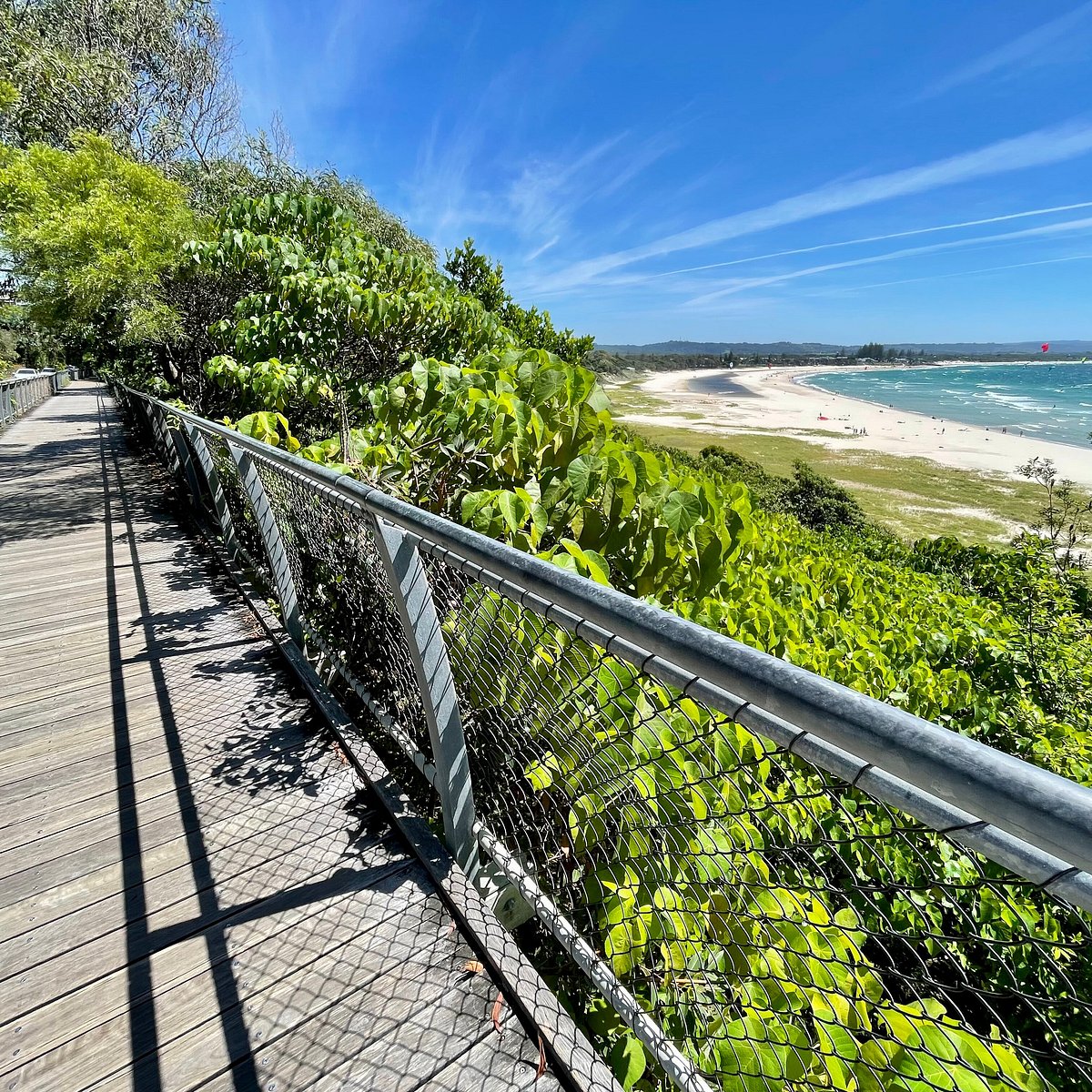
Shoot from the elevated wooden platform at the Pass to capture whales with surfers in the foreground. The site is accessible via the boardwalk from the Pass car park.
Morning golden hour
Capture the wide sweep of Tallow Beach and the open ocean by shooting over the coastal heath. This spot is accessible directly from the Lighthouse Road parking area.
Prepare these essentials to make the most of whale watching conditions during peak migration season.
Everything you need to know about whale watching byron bay best time
The whale watching byron bay best time depends on the migration season, typically spanning from June to November. During these months, humpback whales are frequently spotted as they travel along the coast.
Land-based viewing at public headlands and beaches is free, with an entrance fee of 0 AUD. You can enjoy observing the ocean from the Cape Byron Headland without any ticket costs.
For the most favorable conditions, the best arrival window is 08:00–10:00. Calmer morning conditions provide the clearest visibility from elevated headlands, making it the perfect time to scan the horizon.
To improve your chances, focus on elevated vantage points like the Cape Byron Headland. Using binoculars can help you spot whale behavior, such as breaching or tail slapping, more effectively.
Bring comfortable walking shoes, sun protection, and binoculars for your trip to the Cape Byron Headland. Staying hydrated and checking the daily weather forecast are also recommended for a successful outing.
Yes, the headland is accessible for families interested in nature. It provides a spacious outdoor environment to view marine life, though children should be supervised near cliff edges at all times.
Byron Bay Whale Watching Cruises
Read more Tickets & toursByron Bay Whale Watching Boat Tours
Read more GuideByron Bay Whale Watching Season & Best Time
Read more Tickets & toursByron Bay Whale Watching Kayak Tours
Read more GuideWhale Watching Byron Bay Prices & Booking Options
Read more