2 hr 30 min
Humpback Whale Watching with Marine Biologist
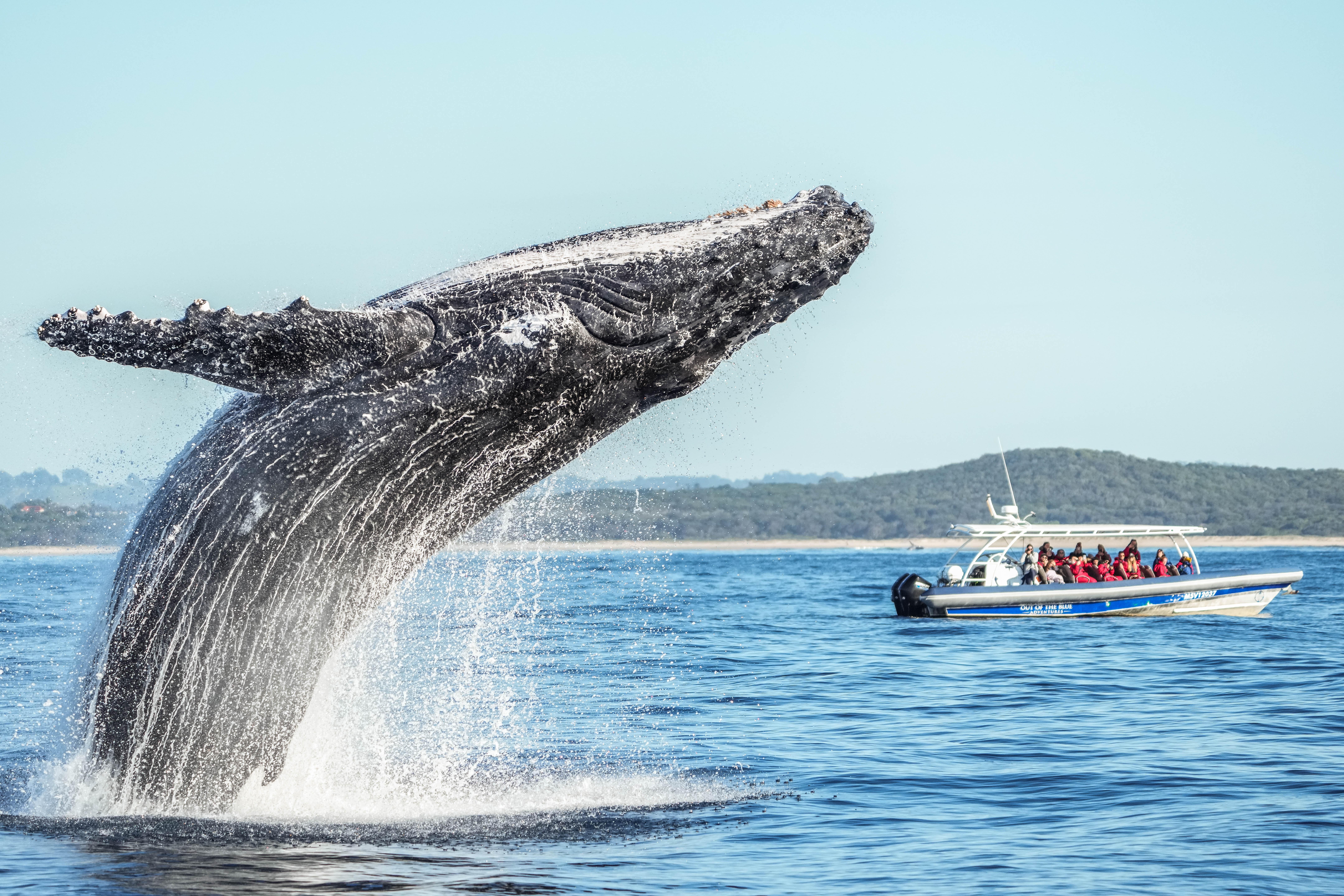
Encounter migrating humpback whales in Cape Byron Marine Park with expert guidance and hydrophone sound.
Reserve
Hand-picked by our editors — only the best 5 experiences from 12 reviewed.
Verified partners for every tour, free cancellation where available, and instant confirmation on every booking.
2 hr 30 min
Encounter migrating humpback whales in Cape Byron Marine Park with expert guidance and hydrophone sound.
Reserve
2 hr 30 min
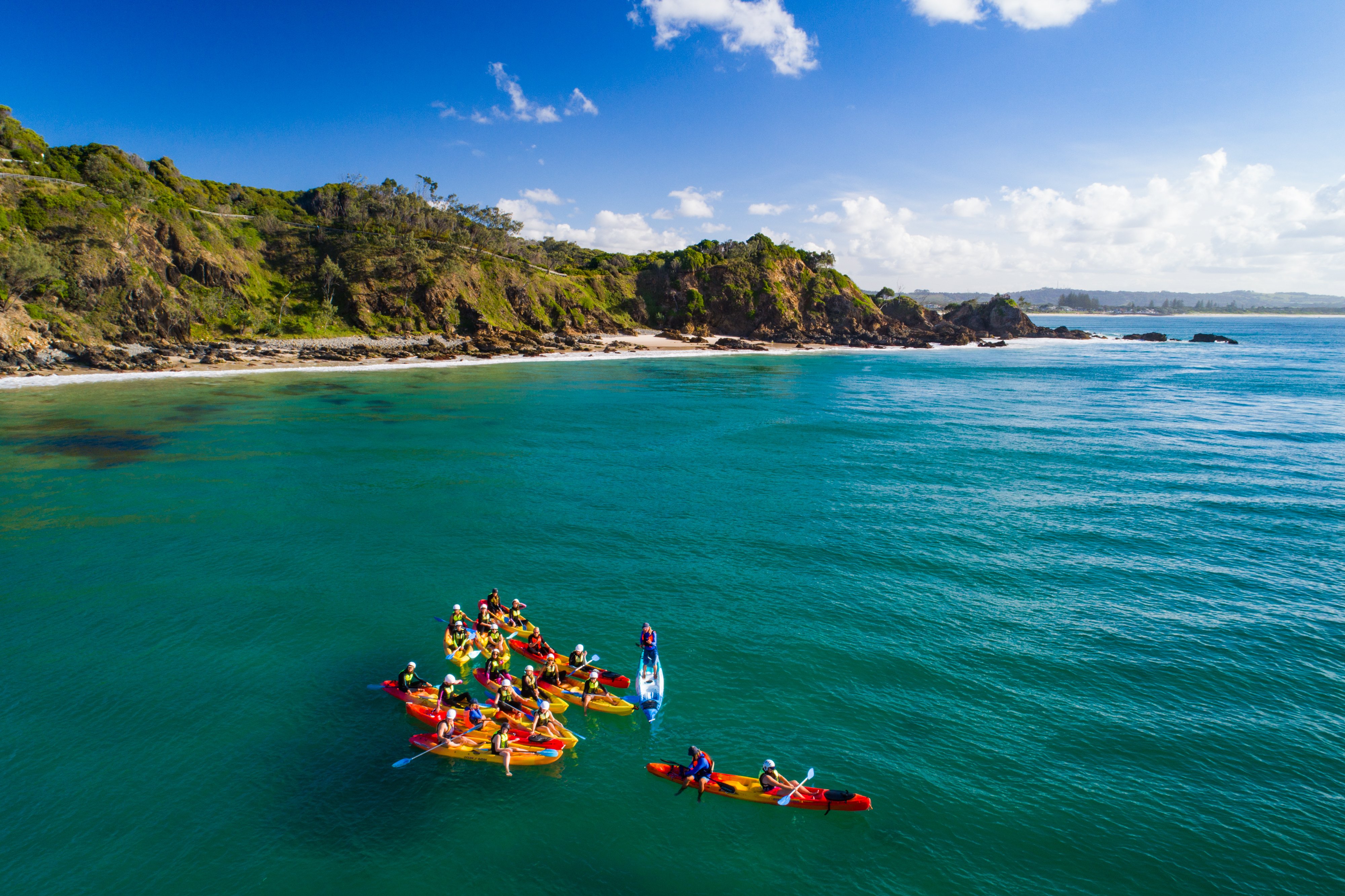
Paddle through marine reserves, spot dolphins and turtles, and ride iconic Australian surf breaks
Reserve
3 hr
Join a 3-hour expedition to witness migrating humpback whales breaching and playing in coastal waters.
ReservePrices from verified partners. Availability updates in real time at checkout. Free cancellation policies apply where shown.
The landmarks, rooms, and views travelers on this tour remember — all visible on a single visit.
This protected area serves as a primary hub for humpback whales during their annual migration path
The waters around Byron Bay allow for close encounters with migratory marine mammals in their natural habitat
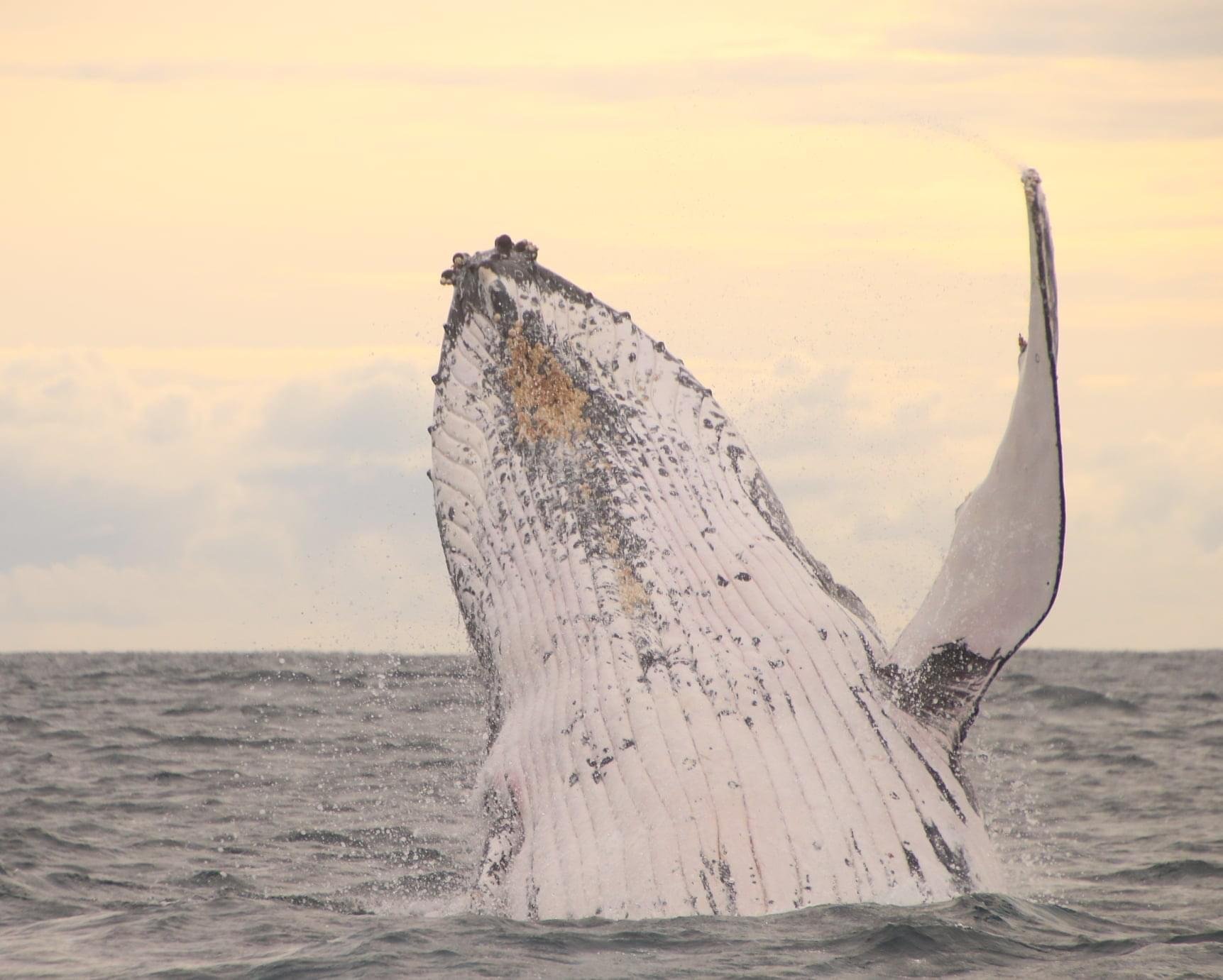
Witness majestic humpback whales breaching and socializing during the winter and spring months
The launch point offers views of the iconic coastline and the nearby lighthouse cliffs
Beyond whales, visitors often spot dolphins and turtles while paddling in the clear ocean.
They complement each other; most visitors who do both call the byron bay whale watching kayak tour the more immersive encounter with marine megafauna. While the cruise provides a higher vantage point for spotting pods, the sea kayak puts you at water level within the Cape Byron Marine Park.
| Feature | Top pick Kayak Experience | Whale Watching Cruise |
|---|---|---|
Vessel Type |
Sea kayak | Motorized vessel |
Physical Effort |
High (paddling required) | None (seated) |
Proximity to Whales |
Low (water level) | Moderate (from deck) |
Passenger Capacity |
Small group | Large group |
Minimum Age |
5+ years | Typically 3+ years |
Weather Dependency |
High (calm water only) | Moderate (can handle swell) |
| See tickets → |
Verdict: Choose the byron bay whale watching kayak tickets if you prefer active immersion, or opt for the boat when seeking comfort during these byron bay whale watching kayak tours.
Choose your ticket, select your date, and reserve in under two minutes. Secure checkout handled by our verified partner.
Instant confirmation by email, with a mobile voucher you can save offline. No printing, no queuing at a collection desk.
Arrive at the entrance, show your voucher on your phone, and walk in. Most tickets include priority or skip-the-line access.
Practical details for your visit straight from our verified partners — hours, access, rules, and how to get there.
Opposite 62 Lawson Street
Check-in point for all sessions
Parking available near Lawson Street; arrive early to secure a spot.
Readily available throughout Byron Bay town center.
Wear swimwear or quick-dry clothing suitable for ocean exposure during your byron bay whale watching kayak. Rash guards and hats are recommended for sun protection while on the water.
Keep belongings minimal as space inside the kayak is restricted. Secure lockers are available at the base for items not required on your byron bay whale watching kayak tour.
Waterproof cameras or phones with secure lanyards are ideal for capturing images during the byron bay whale watching kayak experience. Protect all electronics from salt spray and potential submersion.
Participants for the byron bay whale watching kayak should possess a basic level of fitness and swimming ability. Please advise staff of any health concerns prior to boarding.
Mobile phones are permitted for photography but should remain in a waterproof bag when not in use. Use a floatable lanyard to prevent loss during your byron bay whale watching kayak session.
The byron bay whale watching kayak experience is suited for older children comfortable in ocean environments. Always confirm minimum age requirements directly with the operator before booking.
Carry a reusable water bottle to stay hydrated during your byron bay whale watching kayak adventure. Eating a light meal prior to arrival is recommended to maintain energy levels.
Animals are not permitted on the kayaks due to safety regulations and the protection of wildlife within Cape Byron Marine Park. Arrange pet care independently before your byron bay whale watching kayak trip.
Conditions for the byron bay whale watching kayak rely on sea state and wind. Safety briefings are mandatory for every group departure.
Best time to go, insider tips, nearby landmarks, and the cancellation fine print — flip through to skim what matters to you.
How crowds, weather, and events shift across the year.
Peak whale migration period with frequent sightings near the coast.
Warmer weather and active whales including mothers and calves.
Best arrival window between 09:00–11:00 for the calmest ocean conditions.
Typically experience fewer crowds than weekend byron bay whale watching kayak slots.
Small details that turn a good visit into a great one.
Reserve byron bay whale watching kayak tickets well in advance during peak season.
Verify sea conditions; if wind is high, rescheduling may be necessary.
Apply sunscreen 20 minutes before your byron bay whale watching kayak tour starts.
Follow instructions regarding distance from humpback whales to ensure safety.
Bring a dry bag for personal items you must carry on the water.
Prioritize morning sessions for the best water visibility and calmer winds.
Non-bookable sights within a short walk — free to visit, easy to pair.
Historic site offering panoramic views of the Pacific Ocean.
Central sandy stretch ideal for post-kayak relaxation.
Coastal area often used for marine activity launches.
Famous surf break known for clear water and wildlife.
Flexible, no hidden fees.
Full refunds are typically provided for cancellations made outside the 24-hour window. No entrance fee of 0 AUD is charged, but booking deposits may be subject to operator terms.
Hand-picked options within walking distance — pick a district for vibe, or a specific hotel for convenience.
Central area with varied lodging options.
High-end stays overlooking the ocean.
Affordable options for travelers on a budget.
Every winter between June and November, more than 35,000 humpback whales pass through the waters of Cape Byron Marine Park during their annual migration along Australia's east coast. The park, established in 2002 and spanning 22,000 hectares of protected ocean, offers one of the southern hemisphere's most reliable cetacean corridors. Byron Bay whale watching kayak excursions position visitors at sea level, where the acoustic presence of a breaching forty-tonne animal becomes tactile—the concussion of a tail slap travels through fibreglass and into the paddler's grip. Cape Byron Marine Park extends from the Byron Bay shoreline to three nautical miles offshore, encompassing the easternmost point of mainland Australia. The continental shelf drops sharply here, pulling deep nutrient-rich currents to the surface and creating feeding grounds that draw not only humpbacks but dolphins, sea turtles, and seasonal manta rays. Marine biologists have documented mother-calf pairs resting in the shallows within 200 metres of the cape's rocky headland, a behaviour concentrated in this stretch of coast due to the shelter provided by the bay's northern curve. Kayak groups launch from the beach opposite 62 Lawson Street, where the Brunswick River meets the Pacific, and paddle northeast along the coastline into the marine park's designated low-speed vessel zone. Guided byron bay whale watching kayak tour operators work under strict Commonwealth permits that mandate minimum approach distances—100 metres for vessels under power, though kayaks may drift closer if whales initiate contact. The tours run daily between 9:00 and 17:00 during migration season, with morning sessions preferred for their calmer sea states and higher whale activity. Routes typically follow the two-kilometre corridor between Belongil Beach and the cape itself, where depth drops from eight metres to over 400 within a kilometre. Paddlers receive wetsuit, spray skirt, and dry bag, with double kayaks standard for stability in offshore swell. The marine park's protection extends beyond mammals. Seagrass beds along the inner bay provide habitat for loggerhead turtles, and the Julian Rocks Nguthungulli Nature Reserve, visible three kilometres offshore, marks the convergence of tropical and temperate ocean currents. This biogeographic intersection makes the region a biodiversity hotspot, with over 500 fish species recorded. For kayakers, the experience hinges not on pursuit but on stillness—engines cut, paddles lifted, waiting as a forty-five-foot whale surfaces within the length of two kayaks, exhales a columnar mist, and rolls its scarred fluke skyward before descending into water too deep and blue to parse.

"The concussion of a tail slap travels through fibreglass and into the paddler's grip."
A step-by-step walkthrough of the visit — what you'll see, how long each stage takes, and the details that matter.
You meet your guide at dawn opposite 62 Lawson Street, where the beach curves north and the Brunswick River spills into the bay. After a fifteen-minute briefing on paddle technique and marine park protocols, you step into your wetsuit and push a double kayak into the shorebreak. The first hundred metres are a test—timing your strokes between rolling sets, spray cold on your forearms—but once you clear the surf line the ocean flattens into long, glassy swells. Your group paddles northeast, parallel to the coast, with Cape Byron Lighthouse visible on the headland three kilometres ahead. The guide signals to hold position. You lift your paddle and let the kayak drift. Silence, except for the creak of hull on water. Then a sound like a freight train exhalation—thirty metres to starboard, a humpback surfaces, its rostrum barnacled and scarred. You watch the blowhole close, the dorsal hump rise and submerge, the tail stock arch. The fluke lifts vertically, water streaming from its trailing edge, and slides beneath the surface without a splash. The entire sequence lasts twelve seconds. Your guide points to a second whale surfacing closer, then a calf, smaller and mottled, rolling alongside its mother. You remain still, paddle across your lap, as the pair circle your position twice before continuing south. On the return paddle, a pod of bottlenose dolphins cuts through your line, their dorsal fins slicing the surface in perfect rhythm.
The operator is open from 09:00–17:00 every day of the week.
The entrance fee is 0 AUD (Free entry), though tour costs apply for the kayaking excursion.
The best arrival window is 09:00–11:00 to ensure calm ocean conditions and lower winds.
Participants should check age requirements for byron bay whale watching kayak tickets directly with the operator before booking.
You should bring your own sunscreen and hat, but the operator provides the specialized gear for the byron bay whale watching kayak.
The base is located at 62 Lawson Street, accessible by walking or taxi from central Byron Bay.
Photography is encouraged during your byron bay whale watching kayak, provided equipment is secured.
Cancellations are managed based on the policy provided at the time of booking, usually requiring 24 hours notice.
The physical location is opposite 62 Lawson Street, Byron Bay, New South Wales 2481, Australia.